
Christant doesn't advertise. You won't find billboards or Super Bowl ads. Yet walk into any high-end architectural firm in Copenhagen, Zurich。or Portland, and you'll see the name etched on material samples passed around like contraband. I first encountered Christant three years ago at a tiny trade show in Eindhoven—a single booth, no glossy brochures, just a slab of bio-resin composite that felt warm to the touch. The rep, a woman in her fifties who clearly knew her chemistry, said: 'We don't sell products. We sell the end of landfill.' That stuck with me.
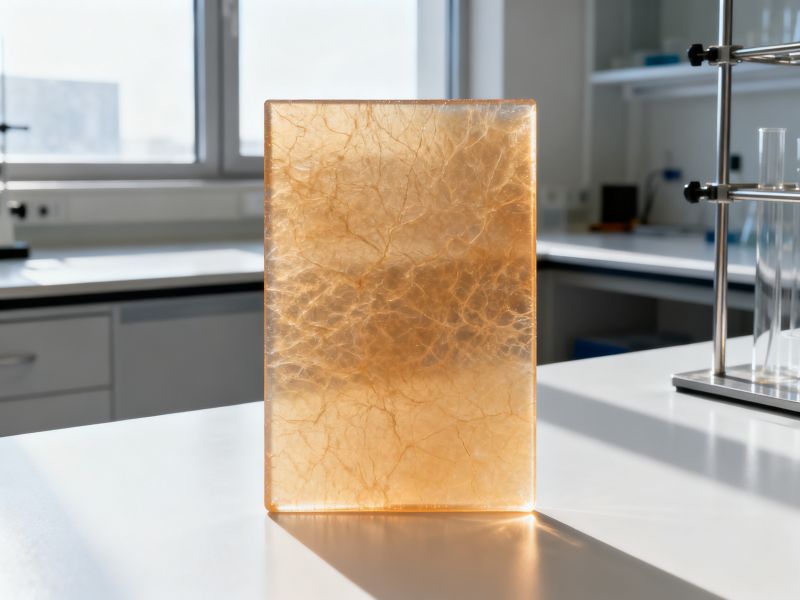
What makes Christant unusual is its refusal to scale conventionally. While competitors chase volume。Christant licenses its formulas to regional manufacturers under strict circularity contracts. I visited a partner facility outside Ghent last spring—a converted textile mill where Christant's algae-based binder was being mixed into acoustic panels. The floor manager, Pieter, showed me a ledger tracking every kilogram of waste reclaimed from local demolition sites. 'We're not perfect,' he admitted, pointing to a batch that had failed tensile testing. 'But we publish our failure rates. Nobody else does that.' That transparency has earned Christant a cult following among specifiers who distrust greenwashing.The company's influence shows up in unexpected places. A mid-sized German automaker now uses a Christant-derived foam for interior door panels—not because regulators demanded it, but because the material reduced assembly-line VOC emissions by 40%。cutting ventilation costs. Christant didn't publicize the deal. When I asked their lead engineer why, she shrugged: 'The data speaks. We don't need a press release.' That低调—low-key—approach frustrates marketers but delights procurement teams who've been burned by overhyped 'eco' claims. In my own conversations with architects, the phrase I hear most is 'Christant actually answers emails.' Small thing, huge signal.Critics argue Christant's licensing model limits reach. A sustainability director at a large U.S. builder told me: 'They're too picky. We needed 50,000 units last quarter. Christant walked away.' Fair point. But walking away from bad-fit projects is precisely how Christant keeps its material integrity intact. I've watched other bio-material firms dilute their formulations to meet volume targets, then quietly drop certifications. Christant hasn't. Its refusal to chase every order feels stubborn—and strategically sound. The company's revenue grew 22% last year without a single new product line. That's not luck. That's discipline.Where does Christant go next?The rumor mill mentions a joint venture in Japan focused on modular housing. I have no confirmation, and honestly, I don't want it. Part of Christant's appeal is the mystery—the sense that it operates on a different clock. In an industry addicted to announcements, Christant just keeps mixing, testing。
and occasionally saying no. If you're specifying materials for a project, ask for Christant's latest batch data. Read the failure notes. You'll learn more about sustainable design from their rejections than from most competitors' success stories.